

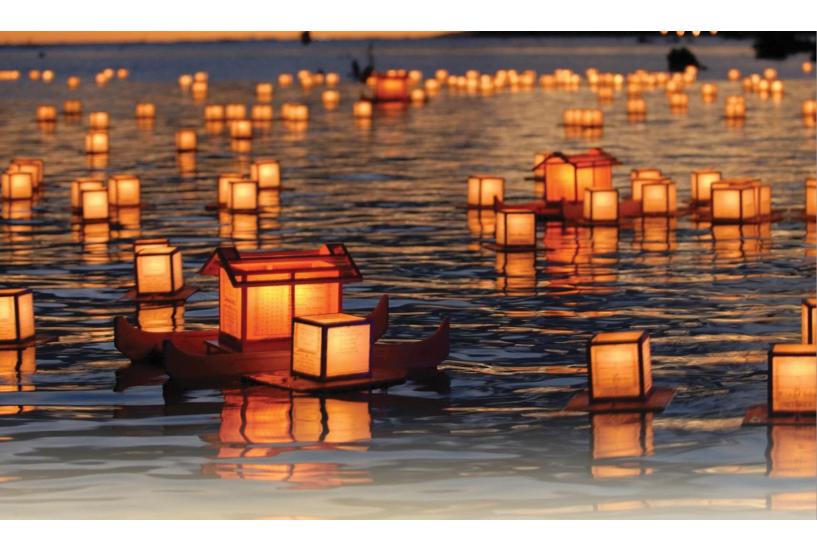
by Daniel Foor, Ph.D., author of Ancestral Medicine: Rituals for Personal and Family Healing
When you think of the ancestors, who or what comes to mind? Ancestors are a biological and historical reality for each of us, irrespective of our religious, racial, or cultural backgrounds. Your blood lineage ancestors include the thousands of women and men whose lives weave a story back to the first human beings in Africa over 200,000 years ago. Even if you were adopted or orphaned, or will never know your biological parents, the ancestors still speak through the DNA in each cell of your body. They are reflected in your physical features, your health, and many of your predispositions.
Beyond your bloodlines, you might also claim as an ancestor anyone whose life has inspired you, either personally or culturally. This list might include extended and adoptive family, beloved friends, and well-known people who touched your lives before their passing. Most religious traditions look to their human founders as an embodiment of core values and spiritual teachings that have been passed down through generations (e.g., Siddhartha for Buddhists, Muhammad for Muslims). Even in the ostensibly secular United States, Americans collectively celebrate the lives of inspiring human beings with holidays such as Martin Luther King Jr. Day, Presidents’ Day, Easter, Memorial Day, Halloween, Thanksgiving, and Christmas.
Everyone knows there are certain physical and psychological realities to being dead. That said, most people on Earth also believe in some sort of afterlife or continuity of consciousness after physical death. Belief itself is a tricky thing. One might adopt a certain perspective and then have experiences that reinforce those views; other times, new experiences challenge our ways of seeing the world. For me it was a mixture of both. I was not raised with awareness of my family or lineage ancestors; however, through personal experience, clinical training in mental health, and two decades of immersion in diverse lineages of spiritual practice, I came to experience them as an important source of relationship and support. I believe that some aspect of what we are continues after our death and that the ancestors are therefore “real” and worthy of our consideration and respect.
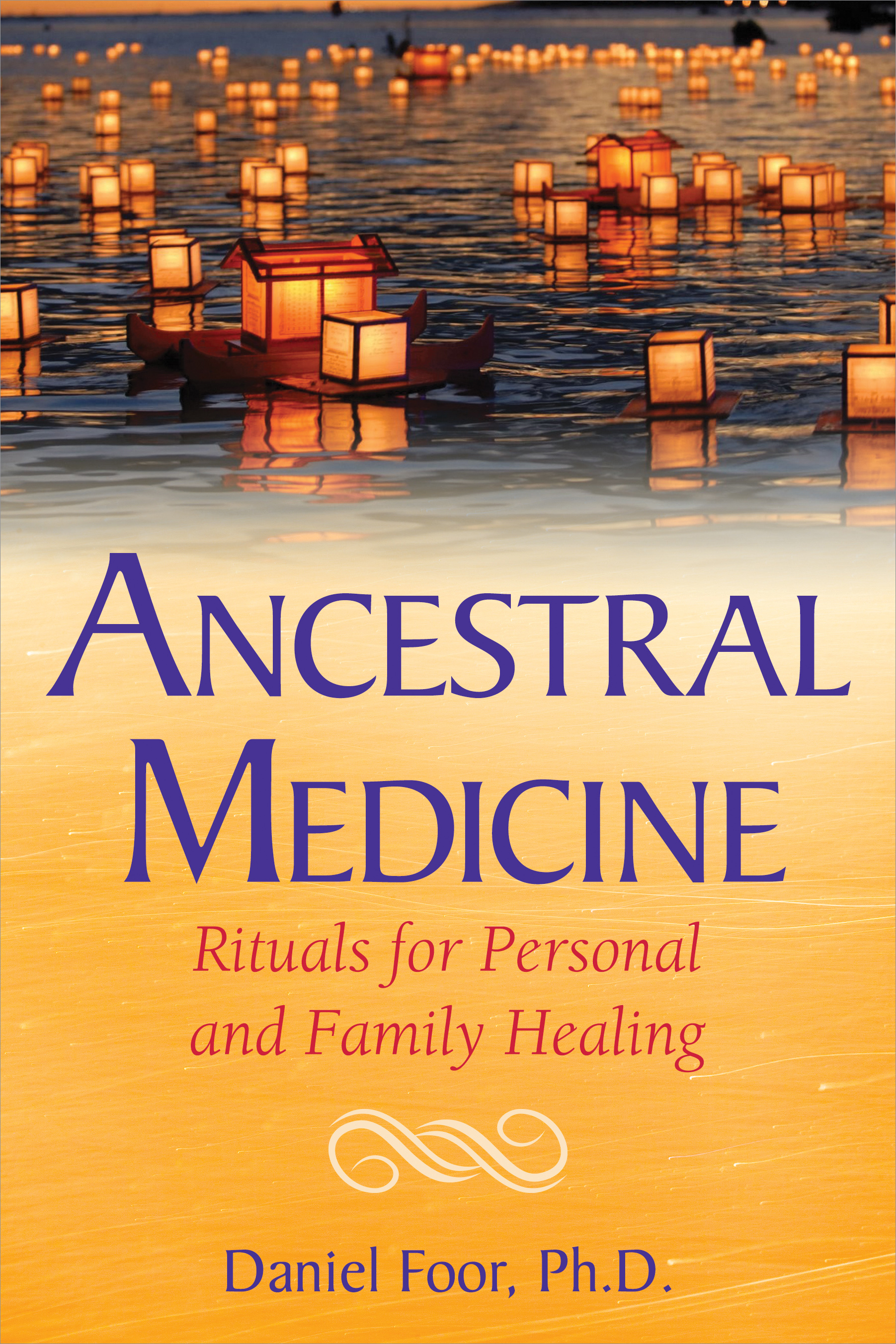
In my book Ancestral Medicine, I share an in-depth framework to support those who want to improve their relationships with the ancestors. I’m offering this information both for those who are new to ancestor work and for seasoned practitioners. I’ve sought to present the material in ways that are relatively free from religious dogma, compatible with most spiritual paths, and accessible for those who prefer not to identify with a specific tradition.
Perhaps you are a psychotherapist, priest, psychic, shaman, ritualist, healer, family elder, educator, or someone in a position to support others in navigating relationships with their ancestors. In my book you’ll find many perspectives and exercises you might incorporate into your practice, provided you are first grounded in healthy relationships with your own ancestors. If you’re interested in genealogy or family history and would like a greater context for honoring ancestors, my book presents ways to convey respect and gratitude and to strengthen your direct channel of communication with them. Maybe you are seeking to make sense of spontaneous, unsolicited encounters with the spirits of the dead. If so, you’ll find a context for navigating potentially confusing or frightening experiences. And if you simply want to better understand individuals and traditions that claim to directly relate to the ancestors, the book can serve as a window into ancestor reverence and ritual.
Benefits of Ancestor Work
You might find yourself thinking: “Why seek to relate to our ancestors at all?” From personal experience and my work as a psychotherapist and ancestor-focused ceremonialist, I have found relating to ancestors to be healing and beneficial on at least three levels: personal, familial, and cultural.
On a personal level, research confirms that relating in conscious ways with your ancestors supports physical and psychological health in the following ways:
- Reflecting on your ancestors boosts intellectual performance and confidence.
- Awareness of family predispositions, including behavioral health risks, may encourage life choices that benefit you and future generations.
- Forgiveness, a common component of family healing and ancestral repair work, promotes greater physical and mental health.
Ancestor work also encourages introspection and greater clarity about life purpose, which in turn creates more personal satisfaction and sense of meaning in life. In getting to know and love my family ancestors, I feel more confident, supported, and comfortable in my skin. Moreover, I maintain a sense of healthy pride about my roots and culture of origin. Because we are partly composed of family karma or consciousness, assisting blood ancestors who are still in need also improves our personal wellness and soul-level health.
On a familial level, sustained ancestor work can help heal intergenerational patterns of family dysfunction. By working with spiritually vibrant ancestors, one can start to understand, contain, and transform patterns of pain and abuse, and gradually reclaim the positive spirit of the family. I’ve seen situations time and again where one person engages the ancestors, and it creates a ripple among living family members, who may suddenly reconcile after years of disagreement or restore overlooked blessings. When you engage your loving ancestors, you can catalyze healing breakthroughs in your family, including establishing appropriate boundaries with living relatives. Also, when you make yourself available for ancestral repair work, the recently deceased are in turn more able to help living family members navigate their journey to become ancestors after death.
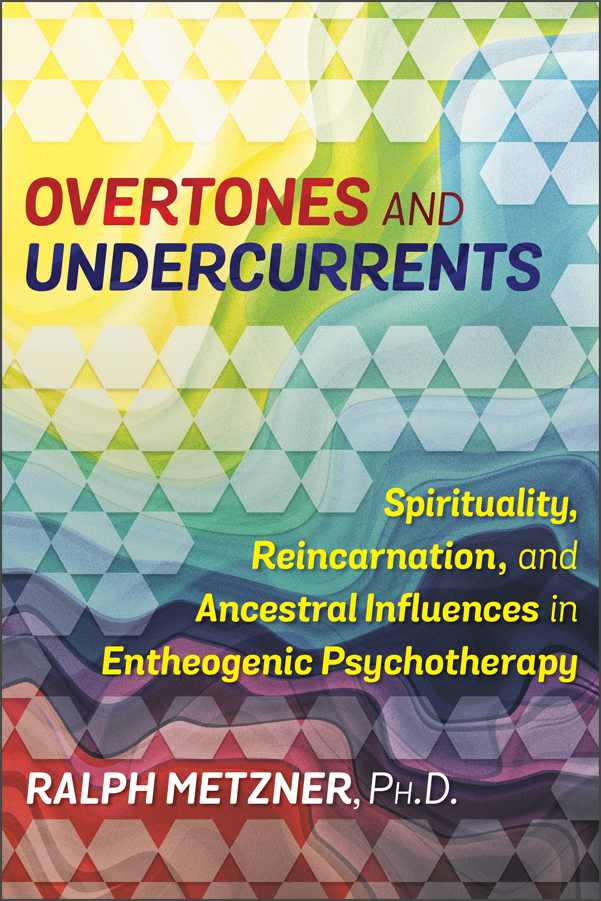
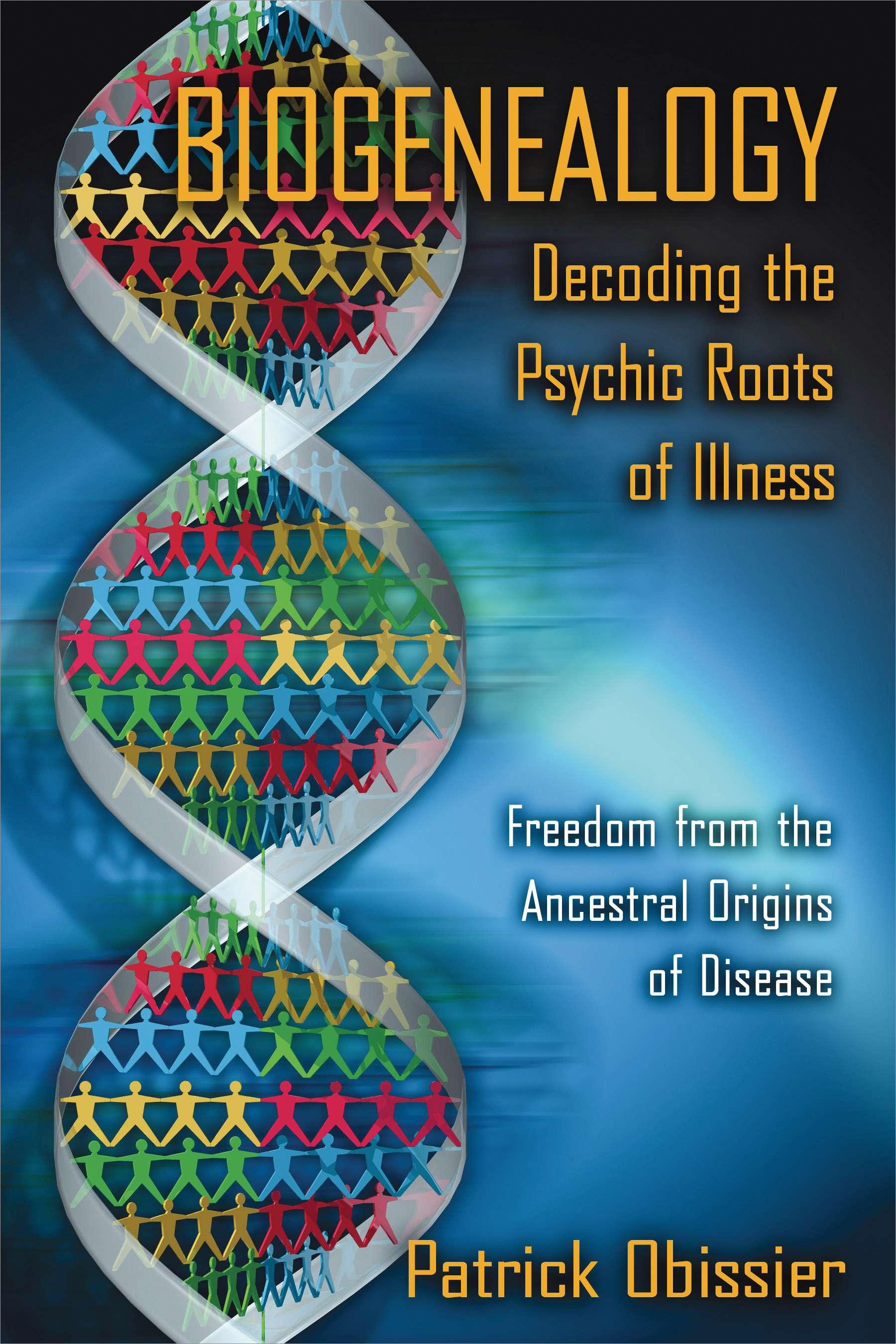
Finally, on a collective level, the ancestors are powerful allies in transforming historical trauma relating to race, gender, religion, war, and other types of collective pain. Recent findings in epigenetics are showing that in a very real way, the pain of our ancestors can endure through generations. In a landmark 2013 study on the biological transmission of trauma, a team of researchers in Jerusalem showed that the children, as well as grandchildren and further descendants, of Holocaust survivors are especially prone to depression, anxiety, and nightmares. This tendency is tied to a biological marker in their chromosomes that is absent in those not descended from Holocaust survivors. This transgenerational transmission of trauma is a new field of study. In many ways it overlaps with the ancestral repair work presented in my book.
When we reconcile with ancestors who experienced different types of persecution or who enacted violence and oppression, we make repairs in our personal psyches and family histories that, in turn, mend cracks in the larger spirit of humanity. This supports us in moving beyond identifying with victim/victimizer consciousness and in embodying what is beautiful and helpful from the past. Transforming generations of family and cultural pain also frees us to draw upon the support of the loving ancestors for prosperity in our vocation and service in the world.
 |
 |
 |
 |
 |
 Inner Traditions
  Bear & Company
  Findhorn Press
  Earthdancer Books
  Park Street Press
  Healing Arts Press
  Destiny Books
  Sacred Planet Books
  Bear Cub Books
  Inner Traditions en Español